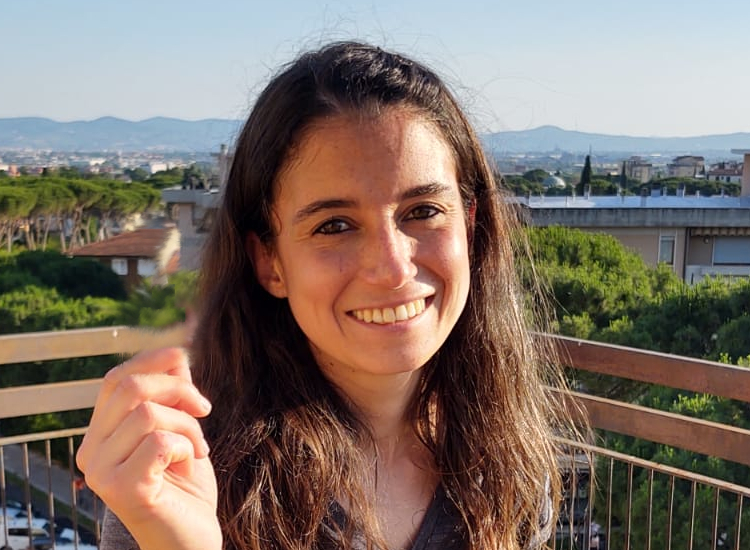
Sandra Doria
Sandra Doria is a researcher at the Italian National Research Council (CNR-ICCOM). Her research focuses on artificial intelligence, deep learning and computer vision for medical imaging, particularly convolutional neural networks, CT image enhancement, segmentation, radiomics and AI-based optimization of imaging protocols. Her work also addresses model robustness, domain adaptation and virtual clinical trials.

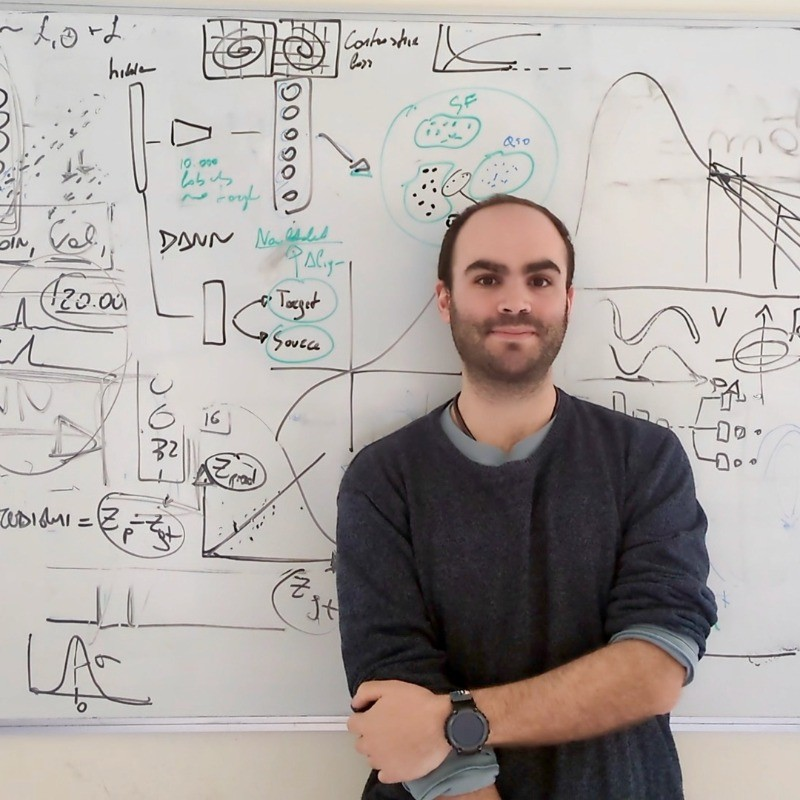
Daniele Faccio
Daniele Faccio is a Royal Academy Chair in Emerging Technologies, Fellow of the Royal Society of Edinburgh and Cavaliere dell’Ordine della Stella d’Italia (Knight of the Order of the Star of Italy). He joined the University of Glasgow in 2017 as Professor in Quantum Technologies where he leads the Extreme-Light group and is Director of Research for the School of Physics and Astronomy. He is also adjunct professor at the University of Arizona, Tucson (USA) and fellow of the Optical Society of America. Previously he was at Heriot-Watt University and University of Insubria (Italy). He has been visiting scientist at MIT (USA), Marie-Curie fellow at ICFO, Barcelona (Spain) and EU-ERC fellow 2012 and 2023. He was awarded the Philip Leverhulme Prize in Physics in 2015, the Royal Society of Edinburgh Senior Public Engagement medal and the Royal Society Wolfson Merit Award in 2017. He worked in the optical telecommunications industry for four years before obtaining his PhD in Physics in 2007 at the University of Nice-Sophia Antipolis (France). His research is funded by the UK research council EPSRC, DSTL, The Leverhulme Trust, the EU Horizon program and the Royal Academy of Engineering. He started his research career working on optical telecomm devices before moving towards high-intensity laser physics, which eventually led to the study of lab models of black holes and fundamentals of quantum mechanics. He currently focuses on deep tech and AI solutions for microscopy, monitoring heart disease and for brain imaging and has experience with clinical trials alongside a number of NHS collaborations. Previous team members are now founders and CEOs of successful startup companies, whilst others are either themselves academics or occupying managerial roles ranging from international space agencies to Deep Tech startups.
Questa è l'intestazione
Lorem ipsum dolor sit amet, consectetur adipiscing elit. Ut elit tellus, luctus nec ullamcorper mattis, pulvinar dapibus leo.
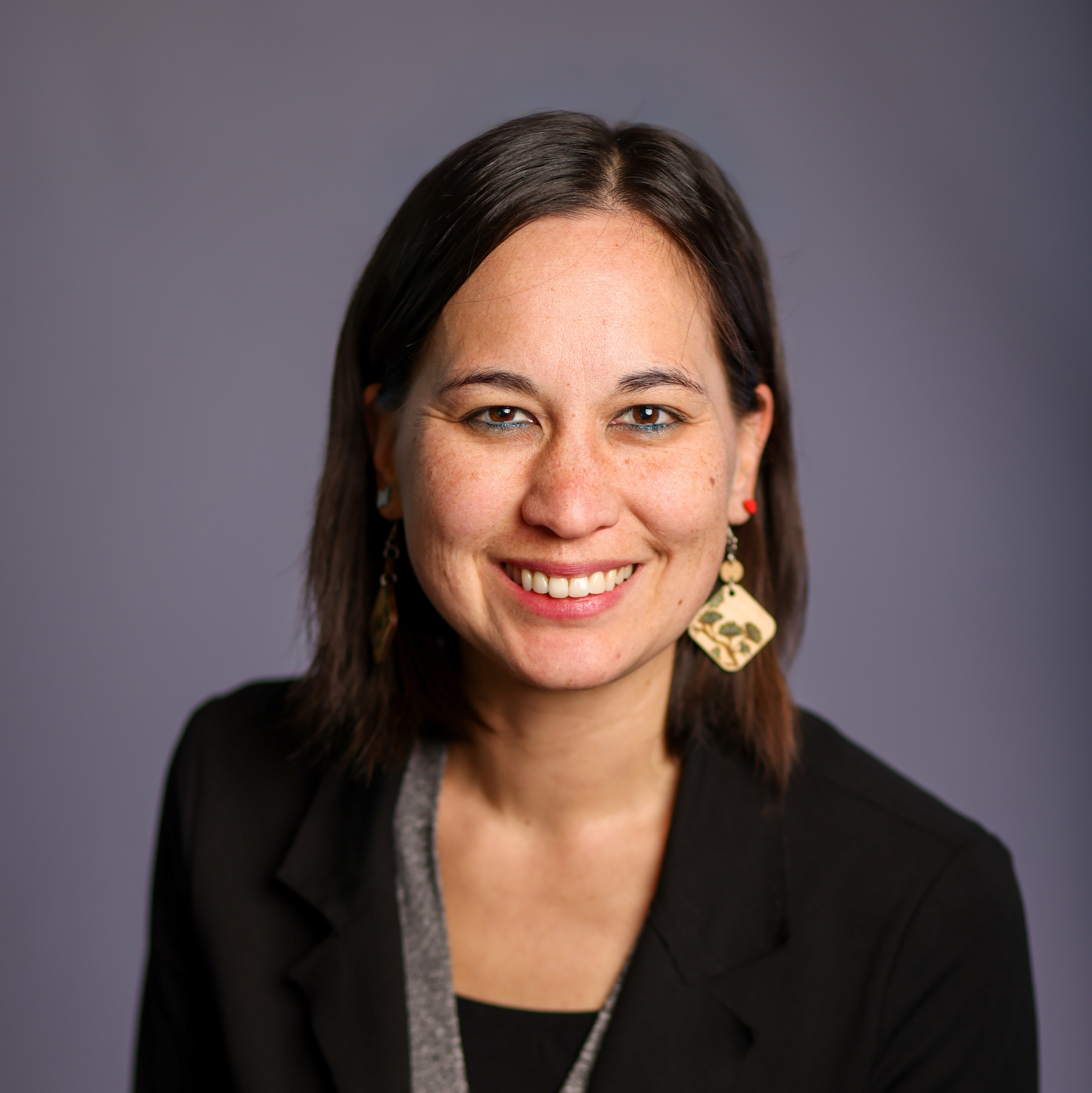
Kristen M. Meiburger
Kristen M. Meiburger is currently an Associate Professor in Biomedical Engineering. She is mainly active in the field of biomedical image processing, with a main focus on ultrasound and biomedical optical imaging methods (i.e., photoacoustics and optical coherence tomography), and radiomics and deep learning applications. She is also active in the field of biomedical signal processing and, particularly, in ultrasound and photoacoustic image reconstruction.

Questa è l'intestazione
Lorem ipsum dolor sit amet, consectetur adipiscing elit. Ut elit tellus, luctus nec ullamcorper mattis, pulvinar dapibus leo.
Questa è l'intestazione
Lorem ipsum dolor sit amet, consectetur adipiscing elit. Ut elit tellus, luctus nec ullamcorper mattis, pulvinar dapibus leo.